
Author: Emily Turner (Clough Correspondent, PhD Student in Theology)

Author: Emily Turner (Clough Correspondent, PhD Student in Theology)
Emily Turner is a Clough Correspondent and a doctoral student in the Theology Department at Boston College.
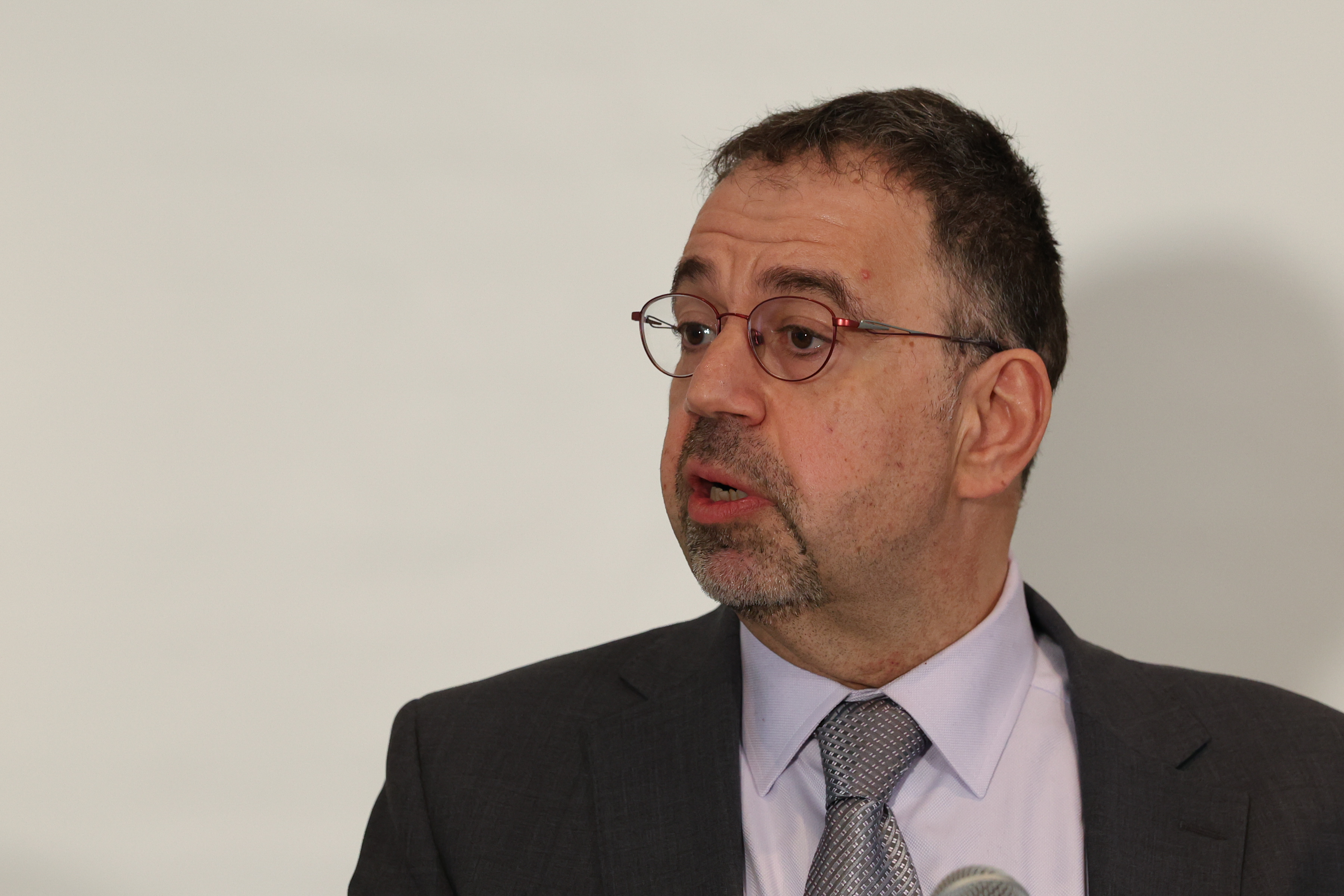
The Thursday afternoon keynote of the 2026 Clough Center Spring Symposium featured Nobel Laureate Dr. Daron Acemoglu. Acemoglu, an MIT economist, is a specialist in political economy and economic development. A prolific author and one of the most frequently cited economists of our time, the afternoon session was packed with students, faculty, and guests.
Dr. Acemoglu acknowledged that, while he had planned to speak on the subject of “remaking a resilient liberal democracy,” he had modified his plans because, as he disarmingly put it, “I realized I did not know what I meant.” Instead, he adapted the title of his presentation to “remaking a better liberal democracy.”


Acemoglu’s thesis was as follows: In the grand scheme of things, democracy—traditionally understood, a liberal democracy—has been quite successful in terms of economic growth. At the same time, liberal democracies are also in crisis today—a function of well-known factors like declining trust in institutions writ-large, and less intuitive framing such as the following: while democracy has done well relative to alternative models and regimes, it has not done well when measured by its own promises and pledges.
He then turned to remaking a “better” liberal democracy, both at the conceptual level, but also in its practical aspects, as liberal democracies look to the future.
Economists will study Dr. Acemoglu’s diagnoses and analyses with more sophistication than I can. As an interested listener, I was most taken with one centerpiece of this proposal: what Acemoglu calls “working class liberalism,” which is the subject of his newest book, What Happened to Liberal Democracy?. Working class liberalism, he argues, is an economic orientation which admits of some of the “sins of omission and commission” which Acemoglu posits are contributing to the current crisis of liberalism, while insisting on its benefits. This includes maintaining many liberal commitments while also giving more latitude for community-level social concerns of the working classes.

Acemoglu’s presentation of working-class liberalism was especially apt in view of his own amendment of his title from “more resilient” to simply “better”—one metric of the improvement being the resilience of the democracies in question. The suggestion, one surmises, is that such a liberal model will serve more people, better—and that the resilience of the system would be a byproduct of its delivering for the people it is intended to serve.

During a busy period of questions and responses, Clough Center Director Jonathan Laurence asked about the substantive and stylistic ways that Acemoglu’s “working class liberalism” would differ from problematic historical attempts at social engineering on the part of liberals; a philosopher asked about the relationship between systems and the human formation needed to operationalize them in such a way that systems actualize their potential. The lively question and answer period following the presentation testified not only to the dynamic character of the presentation but to the presenter’s engaging manner of communicating technical information to a diverse audience.
About The Author



Leave a Reply